
The Revolution Hiding in Plain Sight
Every week, thousands of moviegoers queue up for the latest superhero spectacle or franchise sequel, dutifully consuming cinema as comfort food. Meanwhile, a parallel universe of filmmaking thrives in art house theaters, online platforms, and festival circuits, where directors like Chloé Zhao was crafting intimate prairie poems years before Marvel came calling, and where Ari Aster was perfecting his brand of folkloric horror long before “Hereditary” made suburban audiences question their family dinners. Independent cinema isn’t just an alternative to mainstream moviegoing. It’s where the actual conversations about what film can be are happening right now.
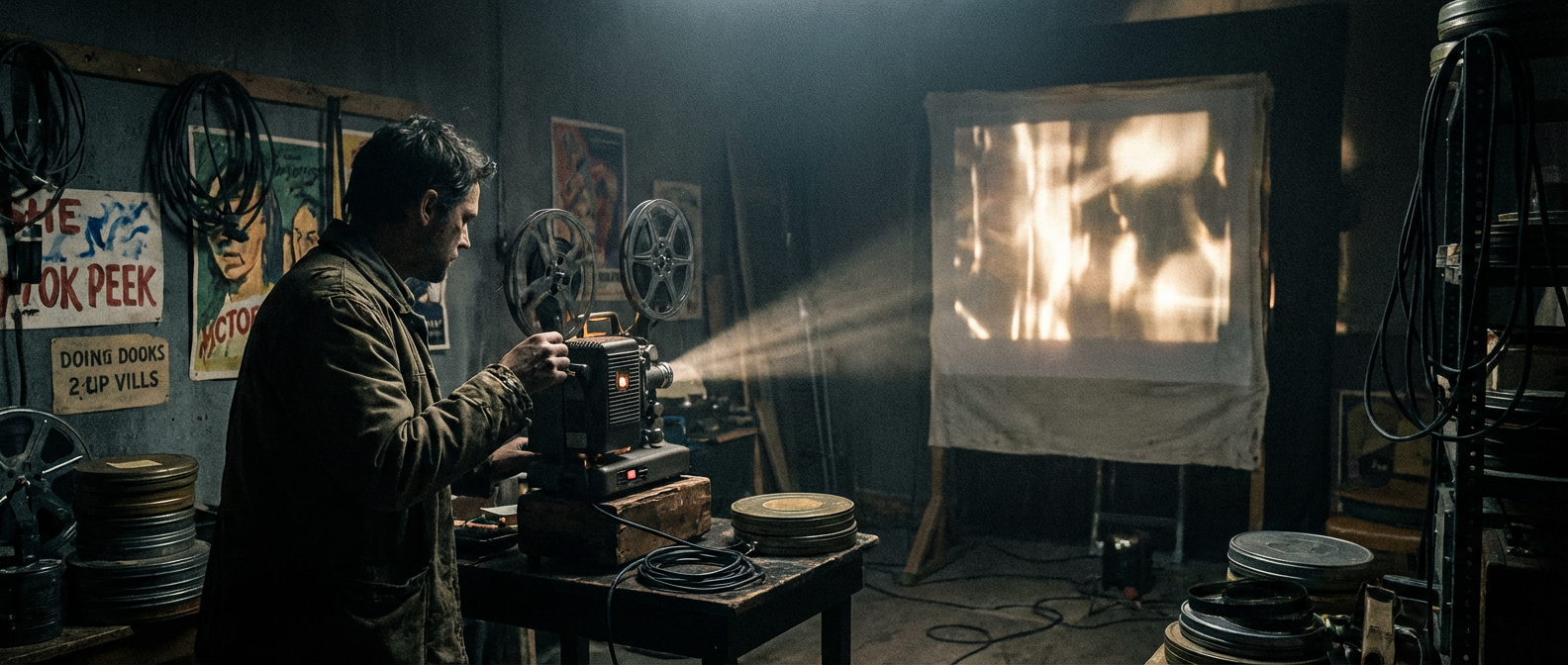
The beauty of independent film lies not in its opposition to commercial cinema, but in its freedom to explore the spaces that studio executives would nervously avoid. When Kelly Reichardt spends two hours following a woman walking her dog through the Oregon woods in “Wenzel,” she’s not being deliberately obtuse or artsy for art’s sake. She’s investigating the texture of loneliness, the weight of routine, the way landscape shapes interior life. These are conversations worth having, and they’re happening in movie theaters near you, if you know where to look.
Your Gateway Drugs to Cinematic Enlightenment
The intimidation factor around independent cinema is largely manufactured. Yes, there are films that challenge conventional narrative structures, but accessibility doesn’t require dumbing down. Start with directors who bridge worlds naturally. Take Jordan Peele’s trajectory from sketch comedy to “Get Out” to “Nope,” each film working as both crowd-pleasing entertainment and sharp social commentary. Or consider how A24 has become a brand unto itself by championing films like “Lady Bird” and “Everything Everywhere All at Once” that feel both deeply personal and universally resonant.
For those ready to wade deeper, seek out the Safdie Brothers’ “Good Time” or “Uncut Gems,” films that pulse with the energy of classic thrillers while maintaining an unmistakably independent sensibility. These aren’t films that require a film studies degree to appreciate. They simply ask you to meet them where they are rather than where you expect them to be. The reward is discovering that cinema can be simultaneously challenging and deeply entertaining, intellectually rigorous and emotionally overwhelming.
Documentary offers another excellent entry point into independent filmmaking. Frederick Wiseman’s observational style in films like “City Hall” transforms bureaucratic meetings into compelling human drama, while Kirsten Johnson’s “Cameraperson” creates a memoir from decades of footage shot for other directors’ projects. These films demonstrate that reality, when carefully observed and thoughtfully assembled, can be far more strange and moving than any fictional narrative.
The Experimental Edge That Reshapes Everything
Experimental cinema occupies the furthest reaches of film language, where directors like Stan Brakhage painted directly onto celluloid and Maya Deren choreographed dreams into visual poetry. But experimental doesn’t mean incomprehensible. Contemporary artists like Apichatpong Weerasethakul create films that operate by dream logic, where narrative threads dissolve and reform like memories half-remembered. His “Memoria” starring Tilda Swinton explores how sound shapes consciousness, turning a simple story about insomnia into a meditation on time, memory, and perception.
The influence of experimental techniques runs through contemporary cinema in ways most viewers never recognize. The fragmented editing in “Eternal Sunshine of the Spotless Mind” owes debts to experimental filmmakers who spent decades exploring how montage can simulate thought processes. The sensory overload of “Mad Max: Fury Road” uses principles of rhythm and repetition to create its kinetic energy. Understanding experimental cinema’s vocabulary helps you appreciate all film, revealing the artistic choices underlying every edit, every color grade, every sound design decision.
The Economics of Artistic Freedom
Independent film’s financial constraints often become creative catalysts. When Denis Villeneuve made “Incendies” on a fraction of his later “Dune” budget, the limitations forced him to focus on character psychology and narrative structure rather than spectacle. The result feels more emotionally devastating than any amount of digital effects could achieve. Similarly, the Duplass Brothers’ mumblecore aesthetic emerged not from artistic pretension but from practical necessity, leading to a naturalistic performance style that influenced a generation of filmmakers.
This economic reality creates different relationships between filmmakers and audiences. Independent directors often maintain direct connections with their viewers through social media, festival appearances, and alternative distribution methods. When you watch a film through platforms like MUBI or attend a screening followed by a Q&A with the director, you’re participating in a more intimate cultural exchange than the anonymous consumption of mass entertainment. This proximity between creator and audience creates passionate film culture that transforms casual viewers into lifelong cinephiles.
The democratization of filmmaking technology has also expanded what’s possible within independent production. Directors like Sean Baker shot “Tangerine” entirely on iPhones, proving that compelling cinema emerges from vision and craftsmanship rather than budget size. Streaming platforms increasingly recognize that audiences hunger for diverse voices and original perspectives, creating new opportunities for independent filmmakers to reach wider audiences without compromising their artistic integrity.
Building Your Personal Film Canon
Developing taste in independent cinema requires active engagement rather than passive consumption. Start by following specific filmmakers whose work resonates with you, then trace their influences backward and their collaborators outward. If you connect with Céline Sciamma’s “Portrait of a Lady on Fire,” explore her earlier work like “Girlhood,” then investigate cinematographer Claire Mathon’s other projects or discover other films from the same production companies.
Festival programming offers another pathway into discovery. Even if you can’t attend Sundance or Cannes, many festivals now offer virtual screenings or release their award winners to streaming platforms within months. The taste-making power of programmers who spend their careers identifying emerging voices provides an invaluable filter for navigating the vast landscape of independent production.
The conversation around independent film thrives in community spaces, whether online forums, local film societies, or the increasingly sophisticated programming at independent theaters. These environments encourage the kind of passionate debate and deep analysis that transforms movie-watching from entertainment into cultural participation. When you find yourself arguing about the final shot of “The Souvenir” or debating the politics of “Nomadland,” you’ve crossed from consumption into genuine film culture.
Your trip into independent and experimental cinema doesn’t require abandoning popular entertainment or adopting cultural snobbery. It simply asks for curiosity about what film can accomplish when freed from commercial constraints and opened to artistic possibility. The richness waiting in this parallel cinematic universe will transform not just how you watch movies, but how you think about art’s capacity to illuminate the complexity of human experience.