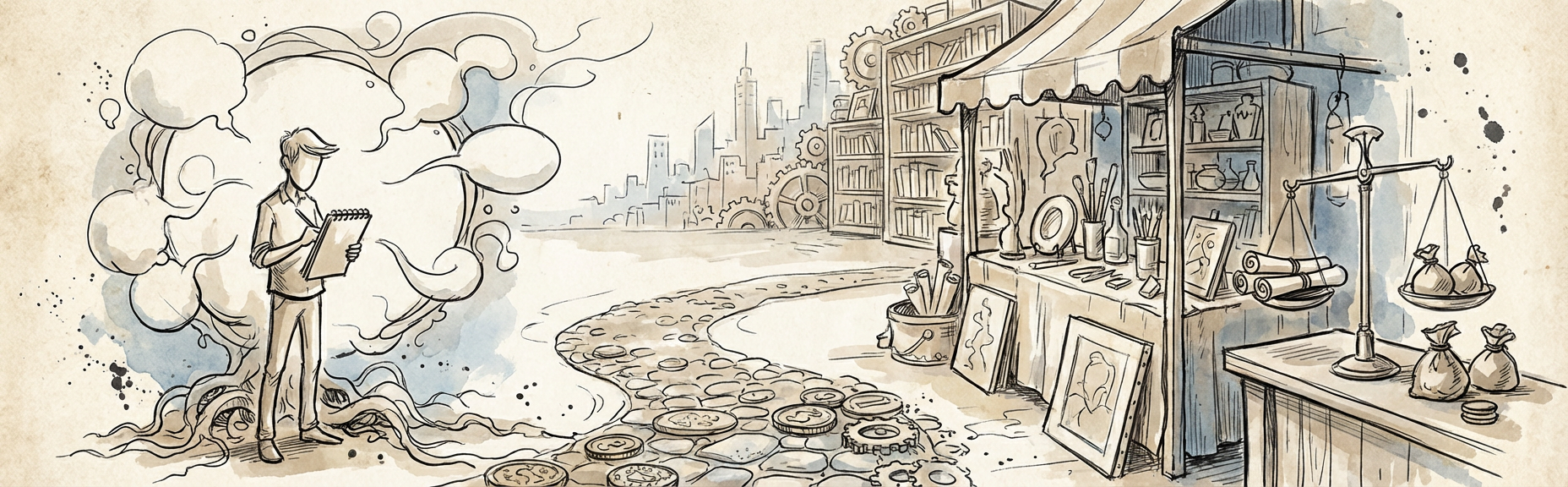
The Financial Reality Behind Creative Independence
The romantic idea of the starving artist has grown into something much more complicated. Today’s independent creators deal with digital platforms, crowdfunding campaigns, and market changes that artists from past decades never had to think about. Independent artists face a weird contradiction: they can reach people anywhere in the world, but making enough money to survive has gotten harder than ever. The streaming numbers are pretty depressing. Most artists make less than five hundred dollars a year from the platforms that now dominate how people discover music and digital art.
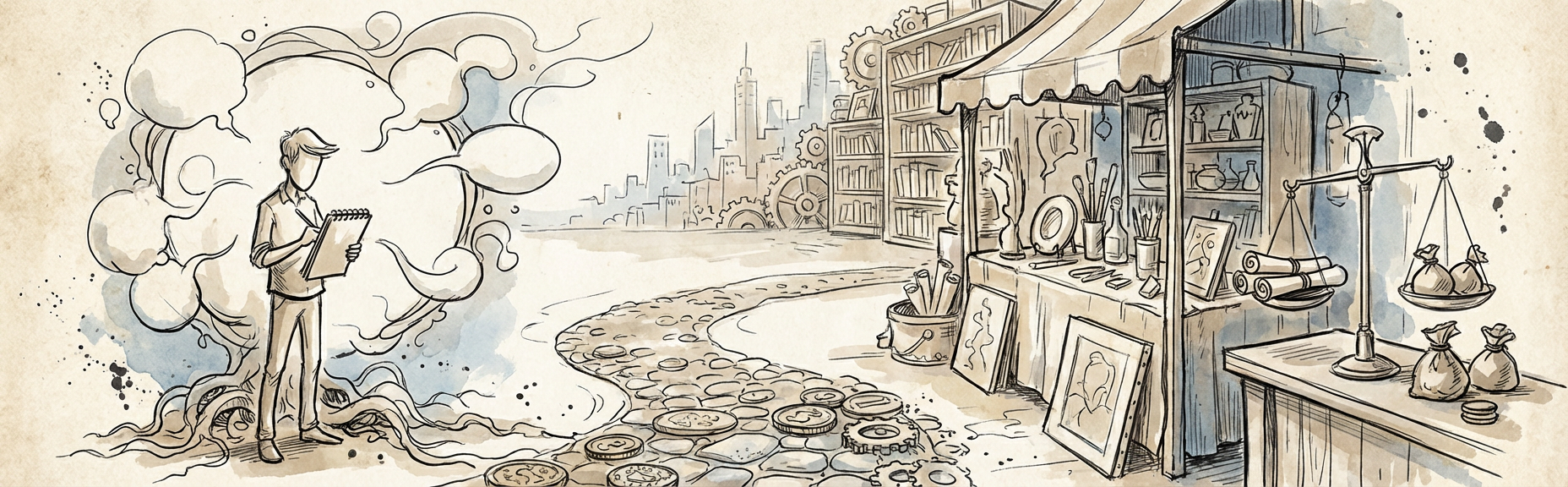
These money problems reflect bigger changes in how creative work gets valued and sold. The old gatekeepers don’t have as much power anymore, but making art more accessible hasn’t automatically made it profitable for creators. Artists now compete in crowded digital spaces where getting noticed depends more on beating algorithms than making great art. The real challenge isn’t just creating good work anymore. You also need to figure out how to make a living in a system that consistently undervalues creative work.
Anyone thinking about going independent needs to understand these harsh realities. This world rewards people who can adapt, think like entrepreneurs, and try new ways of getting support and reaching audiences. The artists who make it usually juggle multiple income sources and build real relationships with their fans. They keep the creative control that working with big institutions might force them to give up.
Direct Connection Models Reshaping Artist-Audience Relationships
Something interesting has been happening in how artists connect with supporters. They’re skipping the middlemen and building direct financial relationships with their audiences. Subscription platforms and direct sales sites have created space for artists to build loyal followings who actually invest in ongoing creative work. These models get that sustainable art-making needs consistent support, not just random purchases. This gives creators more financial predictability while keeping them closer to the people who care about their work.
The success of these fan-direct platforms shows that audiences want more personal connections with artists. Supporters can watch creative processes unfold, get exclusive content, and feel genuinely connected to the artists they support. This closeness creates value that goes way beyond the finished artwork. It includes the whole creative journey. Artists who embrace this approach often end up building communities instead of just selling stuff. They create ongoing conversations that make both their work and their supporters’ experience richer.
These platforms also let artists keep ownership of their work and creative decisions in ways that traditional industry deals might not allow. Without outside pressure to make commercially safe content for mass markets, artists can pursue weirder or more niche projects while still paying their bills. The hard part is building and keeping these direct relationships. That requires constant communication and community work on top of making art.
Geographic Displacement and Alternative Creative Spaces
Skyrocketing real estate costs in major cultural cities have completely changed where independent artists can afford to live and work. Studio spaces that used to be cheap creative havens in urban areas now cost so much that many artists get pushed to the edges or have to completely rethink how they practice. This displacement has forced innovation in how creative communities form and survive. Despite the initial challenges, it’s led to some unexpected benefits.
Artist residency programs have grown to help fill this gap. They offer temporary spaces for focused creative work while building networks that last way longer than individual projects. These programs provide more than just affordable workspace. They create concentrated periods for artistic growth, cross-disciplinary collaboration, and community building that many artists find more valuable than permanent studios. The residency model also lets artists experience different environments and cultural contexts that can completely change their creative development.
Alternative gallery systems have popped up alongside these geographic shifts. They usually care more about community engagement than commercial sales. These spaces, often located in areas with cheaper rent, can take creative risks that traditional commercial galleries might avoid. They work as testing grounds for experimental work and give exhibition opportunities to artists who might not have commercial gallery representation yet. The spread of creative activity has democratized cultural production, breaking the dominance of a few major art centers while building strong regional scenes.
Technology’s Double-Edged Impact on Creative Practice
Recent tech developments have brought both opportunities and problems that independent artists are still figuring out. The speculative bubble around digital collectibles might have burst, but the underlying blockchain tech for proving ownership and authenticity keeps evolving in ways that could help artists long-term. These tools might offer new ways for artists to stay connected to their work throughout its lifetime, ensuring ongoing credit and possibly creating new money streams through resales.
AI image generation has raised fundamental questions about creativity, authorship, and what makes human artistic skill valuable. Some see AI tools as threats to traditional art practice. Others embrace them as new creative instruments that expand what’s possible in artistic expression. Hyperallergic art criticism has covered these debates extensively, showing how artists are wrestling with tools that can quickly produce visual content while questioning what separates human creativity from computer output.
The conversation around AI and art reflects bigger questions about authenticity and value in creative work. Independent artists find themselves needing to explain what makes their human perspective and creative process valuable when technical skill alone might become less special. This challenge pushes artists toward work that emphasizes conceptual depth, emotional connection, and cultural commentary that goes beyond pure technical skill. Artsy contemporary art shows how contemporary artists are addressing these technological shifts through their practice.
Building Sustainable Creative Practices in an Uncertain World
Success as an independent artist increasingly means thinking like an entrepreneur without selling out your artistic integrity. This means developing skills beyond traditional art training: understanding digital marketing, building community engagement strategies, managing finances across unpredictable income, and staying productive while handling business stuff. The most sustainable artistic careers usually combine passion with practical business thinking, creating systems that support long-term creative development.
Diversification has become essential for most independent artists. They typically combine sales, commissions, teaching, grants, and platform income to create financial stability. This approach requires careful time management and clear boundaries to make sure business activities support rather than crush creative work. Many successful independent artists develop systems for balancing different types of work, using less creative tasks to fund periods of more experimental or time-intensive artistic exploration.
The independent art world offers amazing opportunities for artists willing to embrace its challenges and uncertainties. While traditional support systems have changed or disappeared, new models for sustainable creative practice keep emerging. Artists who approach this world with curiosity, adaptability, and strategic thinking often discover paths to both creative fulfillment and financial sustainability that previous generations couldn’t have imagined. The opportunity is there for creators ready to build their own artistic futures in this changing ecosystem.